 EN
EN  Deutsch
  Italiano
  Français
  Nederlands
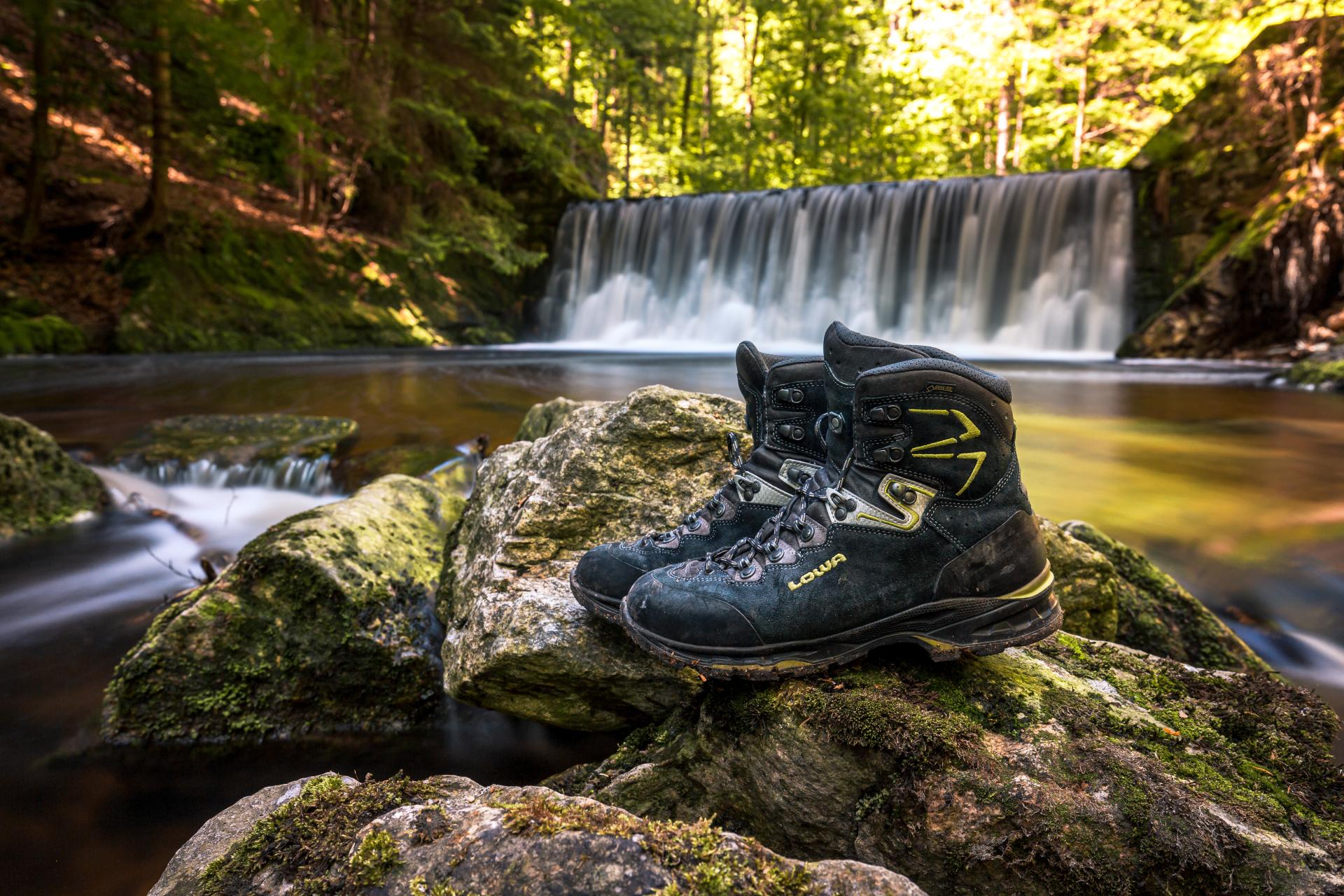
Nothing is worse than wet feet or broken shoes that hinder you on a long hike. That's why you should give your shoes a thorough check before setting off. The following checklist will help you do this.
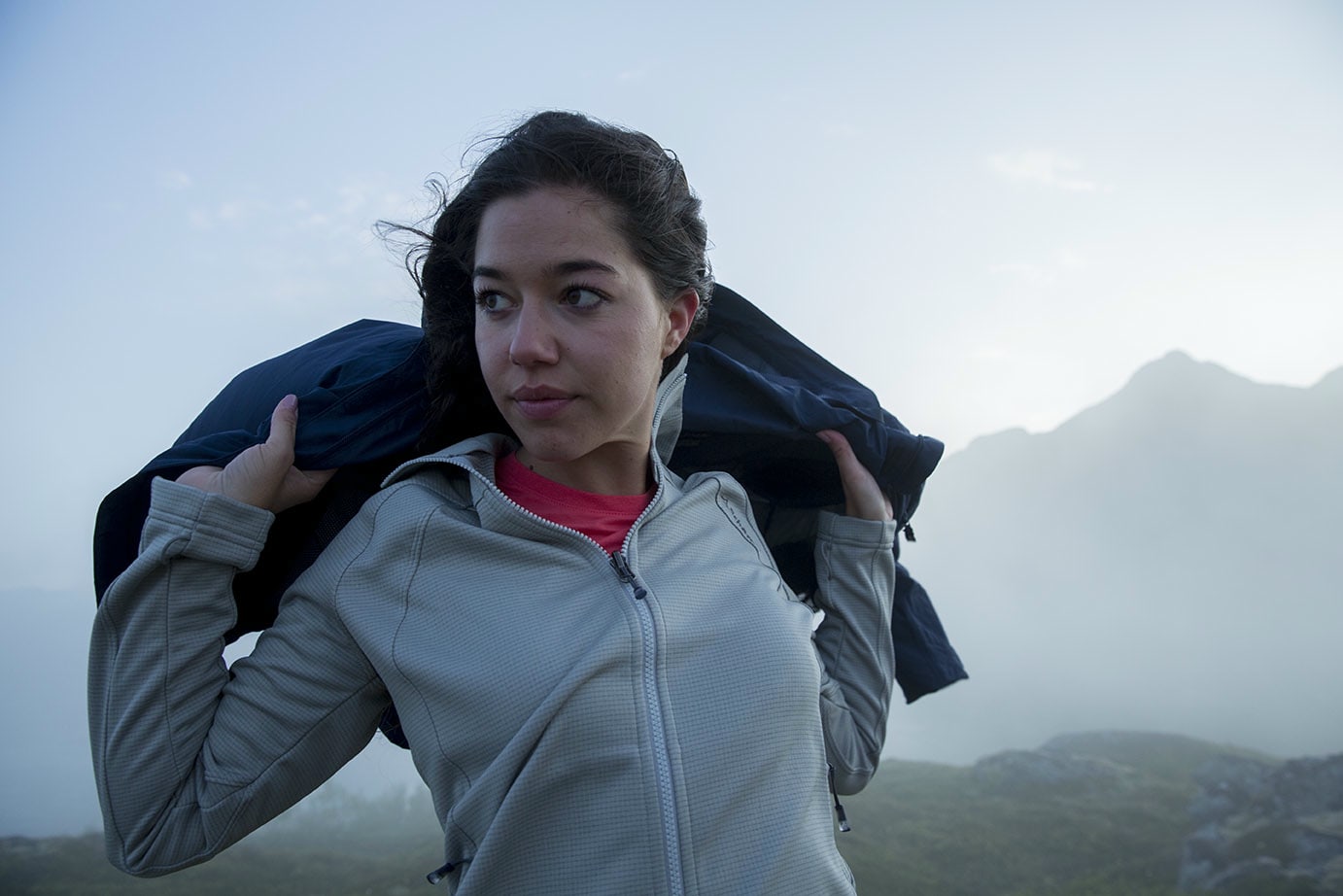
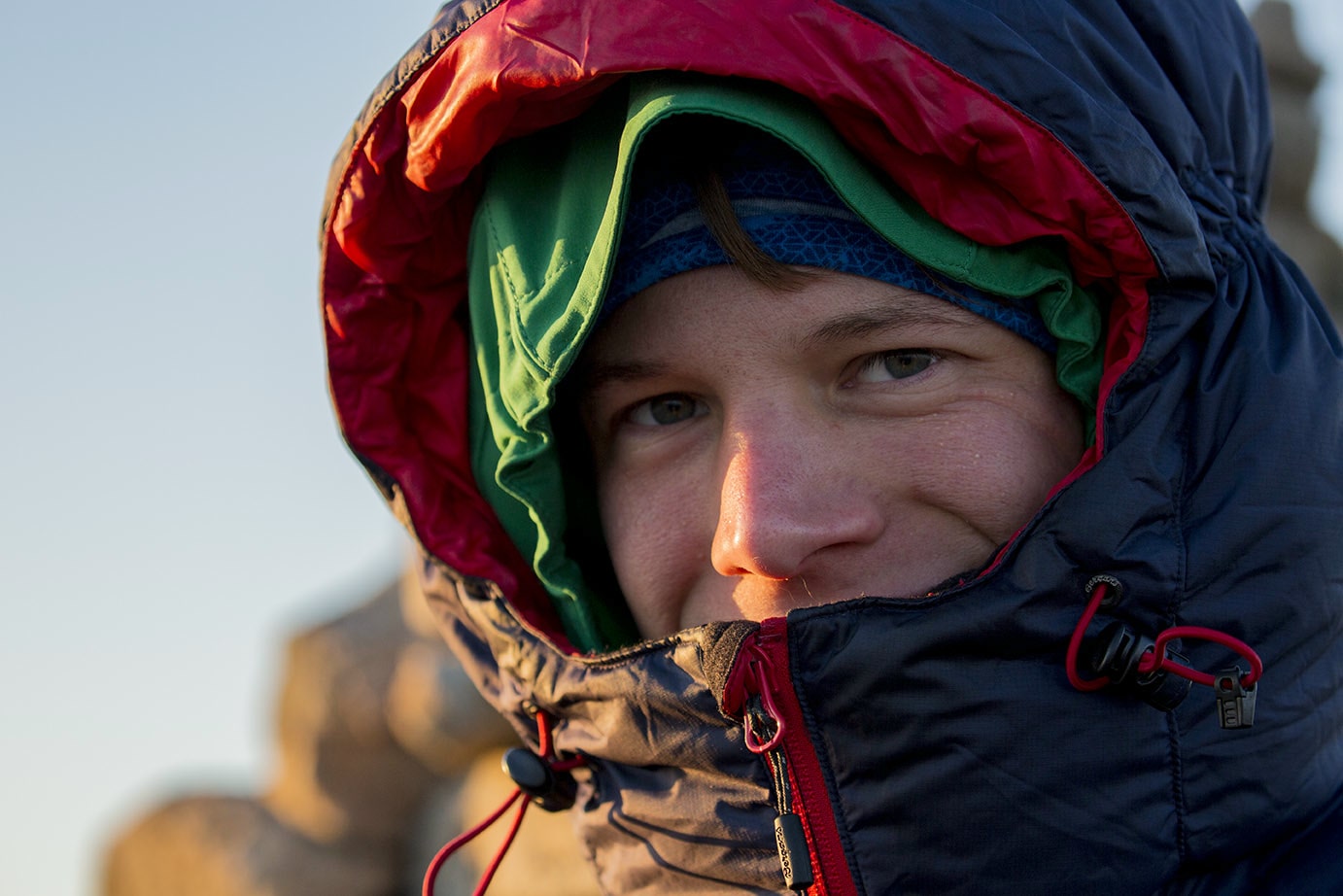
In addition to your equipment, your clothing is the be-all and end-all of good hiking preparation. Everyone knows the feeling of walking out the door on a spring day without a jacket and then suddenly being caught in the rain. It's annoying and you run the risk of catching a cold - but it can be really unpleasant on a hike or multi-day tour. Use our tips to prevent this from happening to you!
CARE: A FIRST LOOK
CHECK THE SOLE
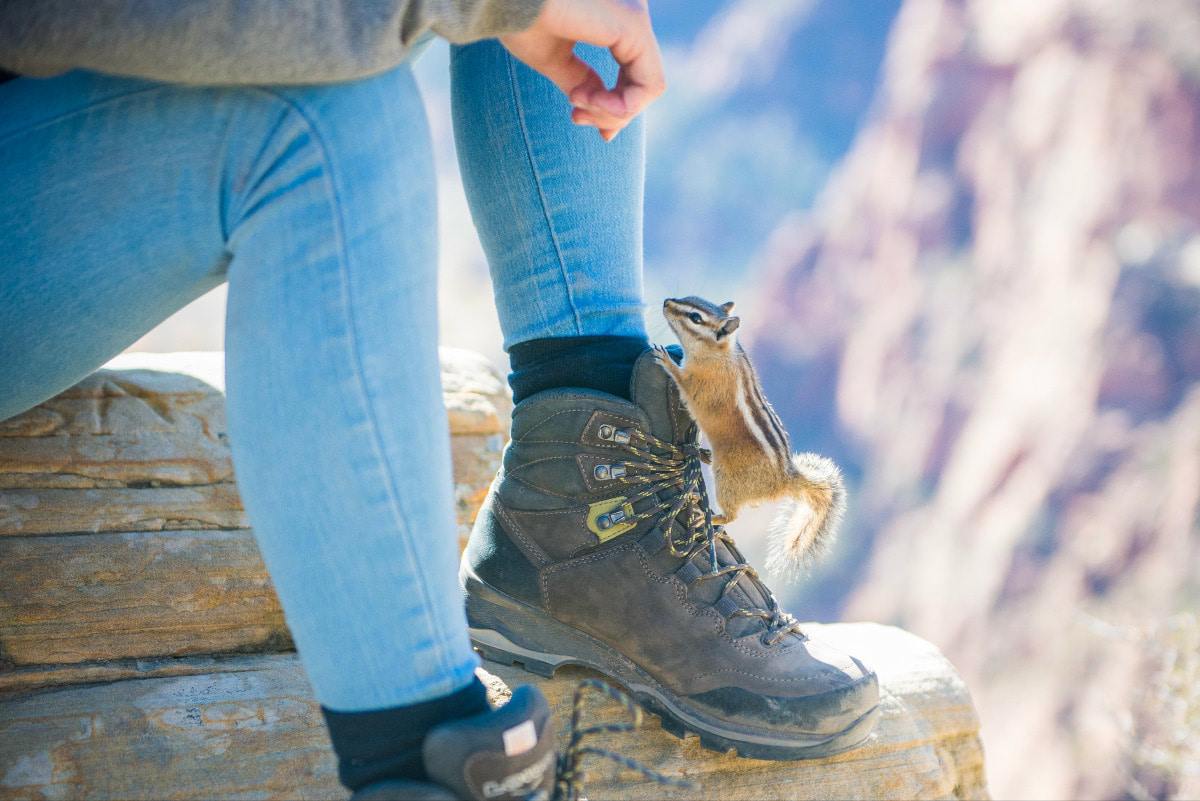
The sole of a hiking boot is essential for safety. The profile of the sole should be intact to guarantee a relaxed hiking tour. If the sole is worn in many places, grip is no longer guaranteed. After a few years, so-called hydrolysis or "embrittlement" often occurs in hiking boots. This is a chemical-physical reaction that causes the sole to become porous and cracked and in many cases to fall off.
BETTER TOO WARM THAN TOO COLD
Dress according to the onion system, depending on the weather, you can leave the waterproof, breathable jacket and jumper at home and lighten the load on your rucksack. With the onion principle, you protect yourself from wind and weather with several layers of clothing. Make sure that all three layers are breathable, otherwise you will quickly become uncomfortable. You can take the layers on and off depending on the weather.